Cordless drills: the voltage you actually need (and the platform decision that matters more)
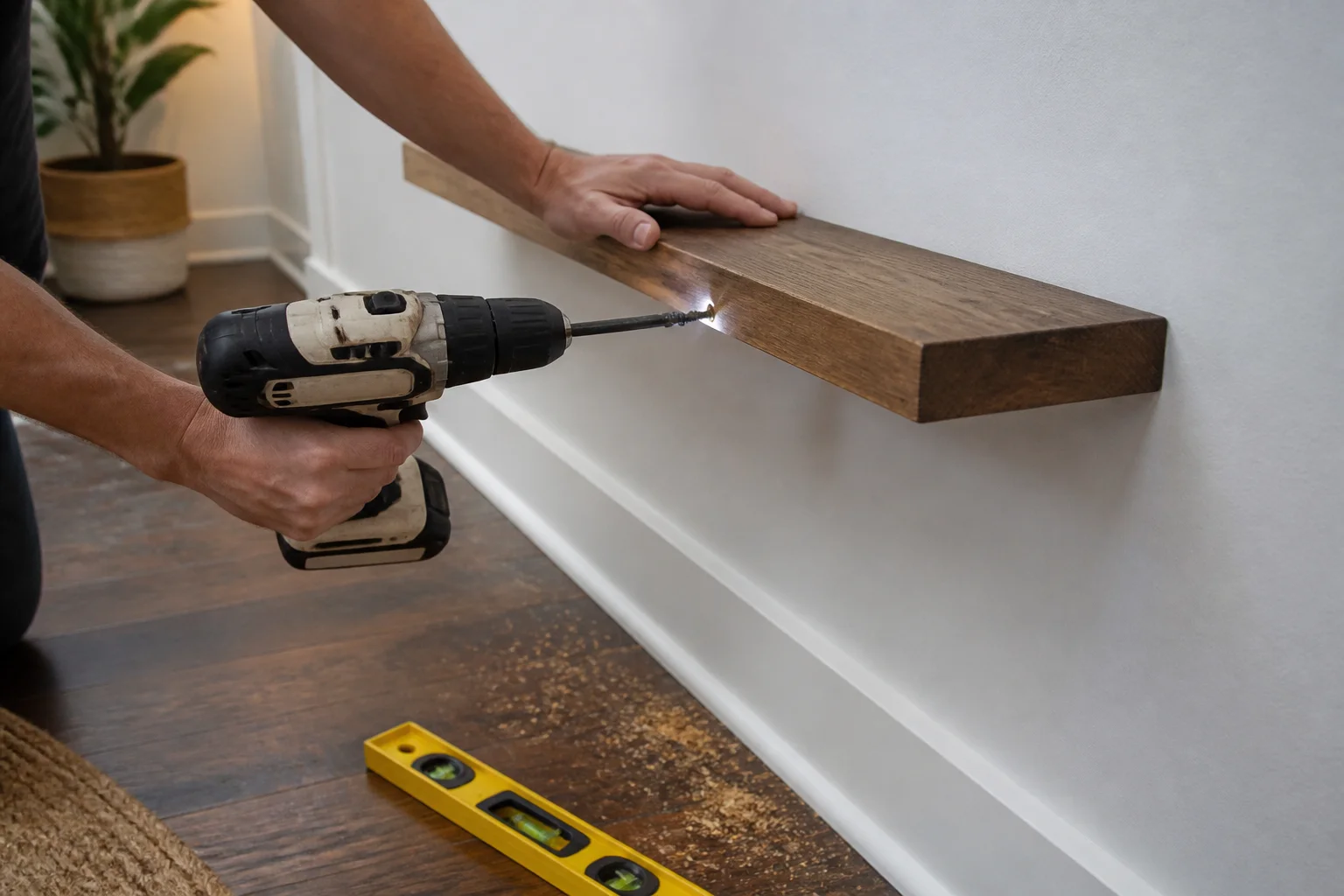
The drill aisle sells voltage; your house mostly needs a fraction of it. The decision that actually compounds is the battery platform — because the first drill quietly picks your next ten tools.
In this article:
- 12V vs 18V/20V, honestly
- The platform decision that outlasts the drill
- Drill vs impact driver (the two-tool truth)
- Specs that matter, specs that don't
- Key takeaways
- FAQ
12V vs 18V/20V, honestly
(First: 18V and 20V are the same batteries marketed differently — nominal vs max voltage.) A modern 12V drill drives every screw, furniture bolt and picture-hanging anchor a household produces, in a lighter, smaller body your wrist prefers at hour two. 18V earns its weight on decks, big spade bits, masonry with a hammer function, and all-day renovation work. The honest split: apartment/light-DIY → 12V; homeowner with projects → 18V; the common mistake is buying 18V heft for a life of IKEA and curtain rods.
The platform decision that outlasts the drill
Batteries don't cross brands, and batteries are half the cost — so your first drill effectively chooses your saw, sander, leaf blower and shop vac for the next decade ('bare tool' purchases that share packs are where the savings live). Pick the ecosystem, not the drill: the major platforms are all competent; compare the tool catalogs against your imagined future projects, and check batteries are sold affordably solo. Two batteries in the kit is the spec that ends mid-project dead-tool misery.
Drill vs impact driver (the two-tool truth)
The drill/driver drills holes and drives with finesse (clutch settings prevent stripping). The impact driver — the stubby one — adds concussive rotational blows that drive long screws into studs effortlessly without wrist-twist. DIYers discover the combo kit is the actual product: drill for holes and delicate work, impact for everything structural. If you'll ever build anything, buy the two-tool kit on day one; it's the category's best-value purchase.
Specs that matter, specs that don't
Brushless motors: worth it — more power per charge, less heat, longer life; now standard above bargain tier. Torque numbers: useful for comparing within a class; meaningless as marketing headline (any modern 18V has more than your bookshelf needs). Clutch settings: 15+ positions is plenty — it's the anti-stripping dial. Chuck: 1/2" on 18V, 3/8" fine on 12V. Hammer function: only if masonry is in your future; it adds weight you'll carry forever.
Key takeaways
- 12V covers apartment-and-furniture life; 18V/20V covers homeowner projects (18V=20V, same thing).
- You're choosing a battery platform for a decade, not a drill — compare tool catalogs first.
- The drill + impact driver combo kit is the category's smartest buy for anyone who builds.
- Brushless yes; headline torque numbers no; two batteries always.
FAQ
Is 12V enough for home use?
For hanging, assembling and household repair — absolutely, with weight your wrist will thank. Deck building, big hole saws and masonry want 18V.
What's the difference between 18V and 20V drills?
Marketing. 18V nominal = 20V max — identical cells. Compare within the number the brand uses and ignore the war.
Do I need an impact driver too?
The moment you drive 3-inch screws into studs, yes — it does in seconds what makes a drill (and your wrist) struggle. Combo kits price the second tool almost free.
Are cheap no-name drills okay?
For a drawer emergency tool, fine. The known platforms earn their price in batteries that last, replacement parts existing, and the ecosystem — the no-name battery you can't rebuy is the real cost.
Keep reading
Smart Plugs: The 10 Uses That Actually Stick →Mechanical Keyboard Guide: Switches, Sizes and Sound →
Not sure which one to buy?
Vic's benches: real Amazon & Walmart listings, live prices, honest verdicts.
Ask Vic →