Beginner drones: what to buy, and the rules nobody reads until the fine
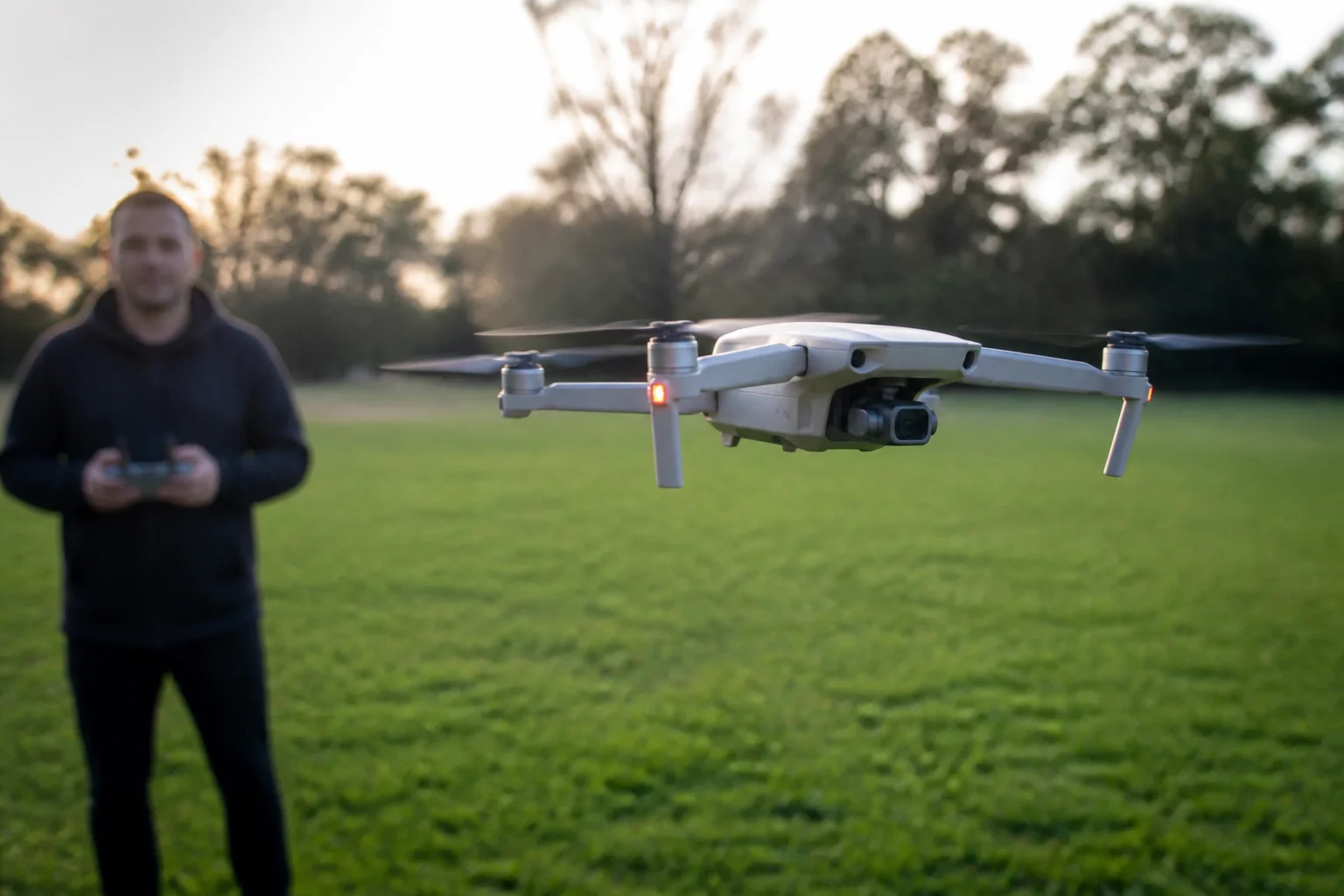
Modern drones fly themselves enough that anyone can learn in an afternoon. The buying traps and the airspace rules are where beginners actually crash — here's both, in plain English.
In this article:
- Why 249 grams is a magic number
- Camera specs: what matters at this size
- The features that save beginners
- The rules in plain English (US)
- Key takeaways
- FAQ
Why 249 grams is a magic number
Drones under 250g dodge the heaviest registration/remote-ID requirements in many jurisdictions (US: recreational sub-250g drones skip FAA registration; rules on where you fly still fully apply). Manufacturers build brilliant sub-250g machines precisely for this — genuinely good cameras, 25–35 minute flights, folding to pocket size. For a first drone, this class is the answer for legal simplicity, price, and the fact that lighter crashes cost less.
Camera specs: what matters at this size
Marketing shouts 4K; the specs that actually separate footage are sensor size (bigger = cleaner evening shots), a 3-axis gimbal (mechanical stabilization — the difference between cinematic and jello; 'electronic stabilization only' is the budget tell), and bitrate. A 1/1.3" sensor with a real gimbal beats a '4K' toy with neither, every time. Photo people: look for RAW support. Everyone: ignore claimed zoom on small drones — it's cropping.
The features that save beginners
- GPS hover + return-to-home: non-negotiable — the drone parks itself in wind and comes back on low battery or lost signal.
- Obstacle sensing: the real beginner feature; multi-direction sensors turn most would-be crashes into polite stops.
- Realistic range/battery: claims assume perfect conditions; plan on 70% of both — and buy the two-extra-batteries bundle, because 25 minutes evaporates.
- Wind: light drones handle steady breeze fine, gusty days ground them — the app's wind warnings mean it.
The rules in plain English (US)
Even sub-250g flyers must: take the free TRUST test (online, easy, one-time), keep the drone in visual line of sight, stay under 400 feet, and respect controlled airspace — the B4UFLY-style apps show no-fly zones live (airports, stadiums, wildfires, national parks are off-limits). Don't fly over people or moving cars. Privacy common sense: hovering near windows makes enemies and sometimes cases. The pattern in every drone fine story: someone skipped the five-minute app check.
Key takeaways
- Start sub-250g: lighter rules, lower cost, genuinely excellent cameras now.
- Sensor size + mechanical gimbal decide footage; '4K' alone decides nothing.
- GPS hover, return-to-home and obstacle sensing are the crash-prevention trio.
- TRUST test, line of sight, 400ft, airspace app — the whole legal starter kit.
FAQ
Do I need to register a drone under 250g?
US recreational: no registration, but the TRUST certificate is required and all flight rules still apply. Commercial use changes everything — that's Part 107 territory.
Are cheap drones good for learning?
The entry GPS class is where learning actually happens.
How far can beginner drones fly?
Spec sheets say miles; the law says as far as you can see it — a few hundred meters in practice. Range beyond eyesight is marketing you're not allowed to use.
What happens if the battery dies mid-flight?
GPS drones warn, then auto-return home with reserve margin. It's the safety net that makes the category beginner-viable — keep return height set above your tallest tree.
Keep reading
Dash Cams: Resolution, Parking Mode and What Actually Matters →Power Banks: What mAh Really Means and the Charging Speed Trap →
Not sure which one to buy?
Vic's benches: real Amazon & Walmart listings, live prices, honest verdicts.
Ask Vic →