Home security cameras: wired vs wireless vs doorbell, honestly
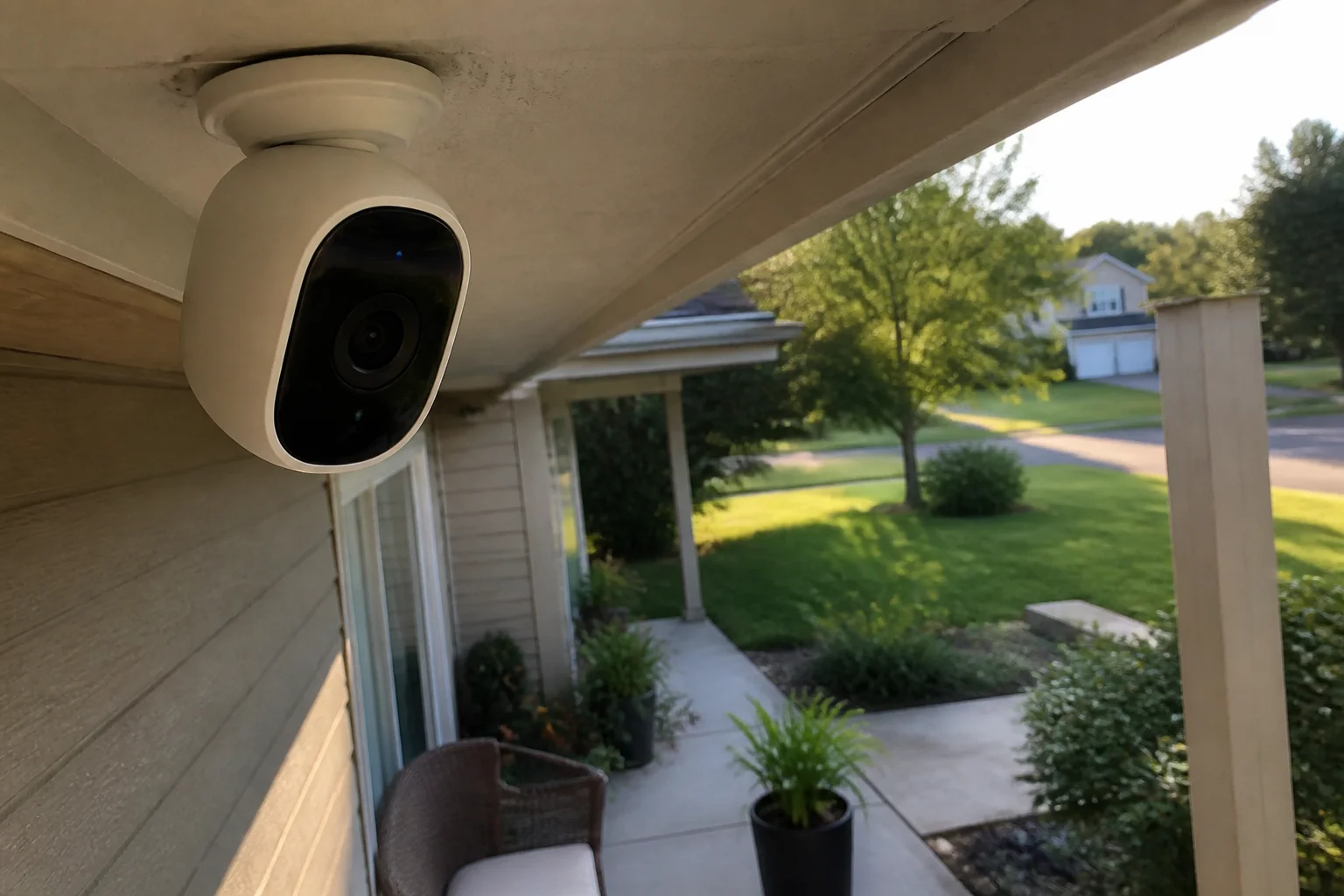
Battery cameras go anywhere and need charging. Wired cameras never sleep and need cable routing. Doorbells cover the one spot 80% of incidents involve. Here's how to actually build coverage — and the subscription math nobody leads with.
In this article:
- Start with the doorbell — it covers the spot that matters
- Battery vs wired for everything else
- The subscription math they don't lead with
- Placement beats resolution
- Key takeaways
- FAQ
Start with the doorbell — it covers the spot that matters
Package theft and unknown visitors happen at the front door. A video doorbell answers 'who's there' from anywhere, records every approach, and deters porch pirates by existing. If you buy one camera, this is it. Wired versions (using your old chime wiring) never need charging; battery versions install anywhere in ten minutes.
Battery vs wired for everything else
- Battery cameras: stick them anywhere, move them anytime. The costs: recharging every 2–6 months (halved in winter — cold murders lithium), and a 1–2 second wake-up delay that can miss the start of an event.
- Wired (plug-in or PoE): continuous recording, no wake delay, no charging ladder trips — but someone has to route the cable. PoE (power over ethernet) is the gold standard for whole-home setups and the most work to install.
- Solar panels: the cheat code for battery cams in sunny spots — set and genuinely forget.
The subscription math they don't lead with
Most brands' cameras work without a plan but keep video only in short clips or live view. The alternatives: brands with local storage (microSD or a base station) give you recording without rent — check the bench notes for which picks include it.
Placement beats resolution
A 2K camera pointed well beats a 4K camera pointed badly. Cover the approaches (front door, driveway, back entry) at 8–9 feet high, angled slightly down, with nothing backlit. Enable person-detection zones so you get alerts about people at the door, not headlights on the street. And check night video before mounting permanently — IR reflections off eaves ruin more footage than sensor quality ever will.
Key takeaways
- First camera = video doorbell; it covers where most incidents actually happen.
- Battery means charging every 2–6 months; wired means installation effort. Pick your tax.
- Placement and detection zones matter more than 2K vs 4K.
FAQ
Do security cameras work without Wi-Fi?
PoE systems record locally without internet; Wi-Fi cameras need the network for alerts and remote view, and most keep recording locally through outages if they have storage. Remote everything requires internet, always.
Are camera subscriptions required?
Rarely required, usually pushed. Live view and basic alerts are typically free; recorded history is the paid part. Local-storage models are the no-rent path.
Where should I not point a camera?
Neighbors' windows and anywhere with an expectation of privacy. Some states also regulate audio recording — disable audio capture if unsure. Your own doors, driveway and yard are fair game.
How many cameras do I actually need?
Doorbell + driveway + rear entry covers the large majority of homes. More than five is usually surveillance hobby, not security.
Keep reading
Dash Cams: Resolution, Parking Mode and What Actually Matters →Wi-Fi 6 vs 6E vs 7: Do You Actually Need a New Router? →
Not sure which one to buy?
Vic's benches: real Amazon & Walmart listings, live prices, honest verdicts.
Ask Vic →