Electric blankets vs heated mattress pads: the cozy economics
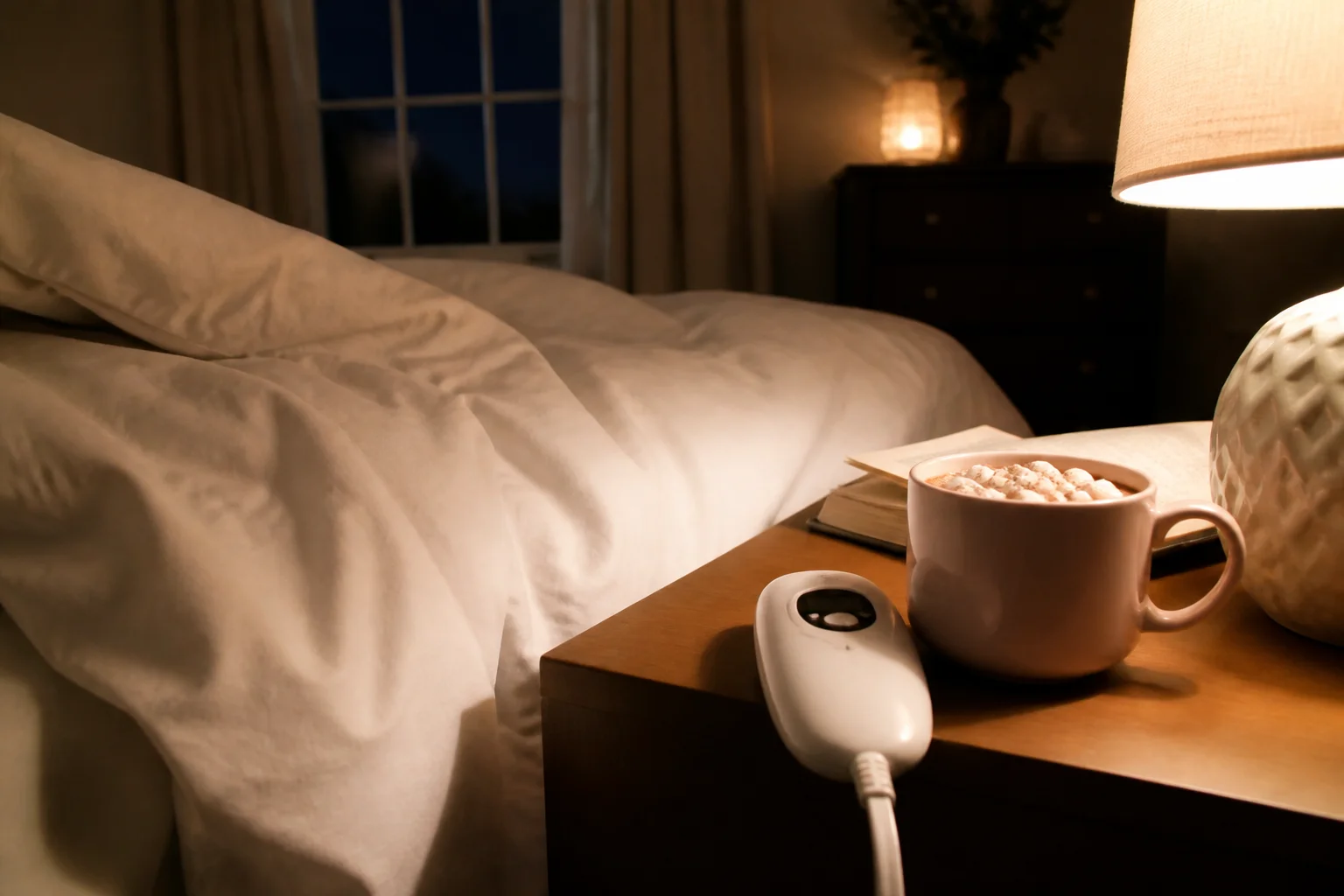
Heating the bed costs pennies; heating the bedroom costs dollars. Here's the math, the blanket-vs-pad decision nobody explains, and the safety print worth reading before you dig out grandma's blanket.
In this article:
- The pennies-per-night math
- Blanket vs mattress pad: the sleeper's secret
- The safety print that matters
- Buying notes worth knowing
- Key takeaways
- FAQ
The pennies-per-night math
A queen electric blanket draws 100–150W flat out, and thermostatic models cycle far below that. Pre-warm the bed for an hour: 2–3 cents. Low heat all night: 10–20 cents. Compare: a 1,500W space heater runs ~25 cents per hour, and whole-house heating multiples of that. The blanket isn't slightly cheaper than heating the room — it's an order of magnitude cheaper, which is why the 'turn down the thermostat at night + heat the bed' combo is the biggest easy win in winter economics.
Blanket vs mattress pad: the sleeper's secret
The heated mattress pad (under you) is the connoisseur pick for sleeping: heat rises through you, the mattress becomes a heat store, it can't slide off or bunch, and dual-zone versions end thermostat marriages. The blanket (over you) wins for pre-bed couch reading and flexibility. The heated throw is the living-room champion — one cold person on the sofa for ~3 cents an hour instead of heating the room, and the highest-satisfaction purchase in the category. Many households correctly end up with a pad on the bed and a throw on the couch.
The safety print that matters
Modern blankets with overheat protection and auto-shutoff are very safe used correctly. The real rules: replace anything 10+ years old or with frayed cords and scorch marks (old blankets dominate the incident statistics), never run it folded or trapped under heavy toppers, and don't layer a heavy duvet over a blanket running high. Not for: infants, anyone who can't operate the controls, and (doctor-first) reduced heat sensitivity — a warm room and good bedding is the answer there. Pre-heat-then-off is the safest pattern of all, and honestly all most beds need.
Buying notes worth knowing
- Auto-off timers (1–12hr) are the feature that reconciles safety and all-night warmth.
- Zoned controls on queen/king sizes — one couple, two climates, zero negotiation.
- Machine-washable is standard now (controllers detach) — check the label, not the assumption.
- Preheat + thermostat down 4–6°F overnight is where the real dollars appear; the blanket pays for itself in a season of that habit.
Key takeaways
- Bed heat costs pennies a night; room heat costs dollars — the math isn't close.
- For sleeping, the heated mattress pad beats the blanket; the throw owns the couch.
- Replace 10-year-old blankets; never folded or trapped; pre-heat-then-off is the safest pattern.
- Pair it with a 4–6°F thermostat setback — that's where the season's savings live.
FAQ
How much does an electric blanket cost to run?
Pre-warming: 2–3 cents. All night on low with a thermostat: 10–20 cents. Against 25 cents per hour for a space heater, the bed wins by an order of magnitude.
Electric blanket or heated mattress pad?
Pad for sleeping — heat from below stores in the mattress and can't slide off. Blanket or throw for pre-bed lounging. Serious winter households run both.
Are electric blankets safe to sleep with?
Modern models designed for all-night use, flat and unfolded, yes. The risk lives in decade-old blankets, damage, and trapping heat under toppers — the pre-heat-then-off habit sidesteps everything.
Can I put a duvet over an electric blanket?
A normal duvet over a low setting is fine on modern blankets; avoid piling heavy layers over high heat — trapped-heat scenarios are what the safety sheet is about.
Keep reading
Space Heaters: Safety Rules and What They Really Cost to Run →Weighted Blankets: How to Choose the Right Weight →
Not sure which one to buy?
Vic's benches: real Amazon & Walmart listings, live prices, honest verdicts.
Ask Vic →