Carry-on luggage: the size rules, and what actually survives flying
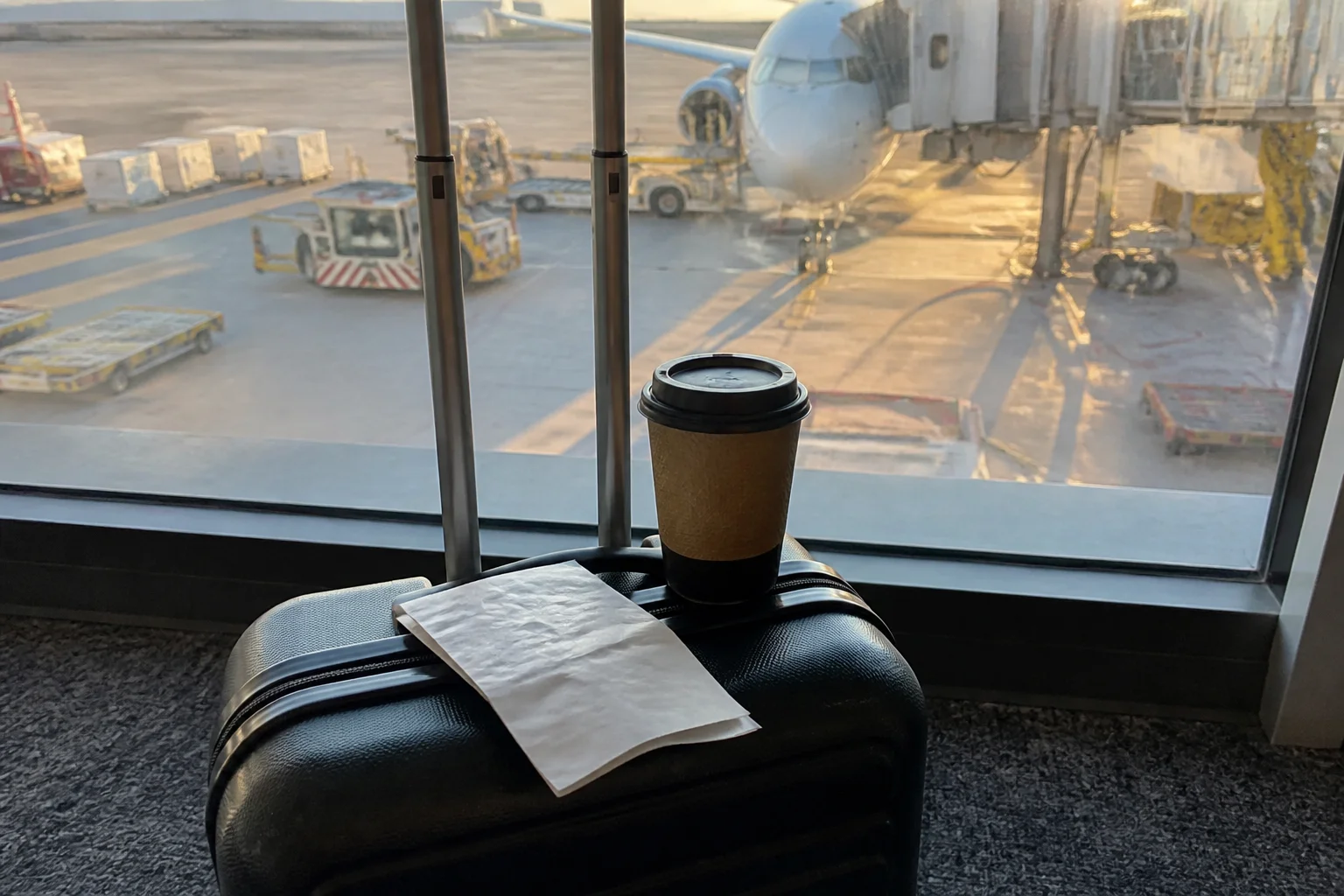
The 'standard' US carry-on is 22 × 14 × 9 inches — and yes, wheels count. Here's the sizing decoded, plus what separates luggage that survives a decade from luggage that loses a wheel in year one.
In this article:
- The size rules, decoded
- Hardside vs softside, honestly
- Wheels are where cheap bags die
- The features worth paying for
- Key takeaways
- FAQ
The size rules, decoded
Most US majors allow 22 × 14 × 9 inches including wheels and handles — the detail that catches people, since many bags advertise the body size and stand an inch taller in the sizer. Budget airlines are stricter and enforce harder: their paid carry-on is often smaller, and the free 'personal item' smaller still. International carriers commonly cap around 21–22" with tighter weight limits (15–22lbs) that US flyers never think about. Frequent budget-airline flyer? Buy for the strictest airline you use, not the friendliest.
Hardside vs softside, honestly
- Hardside (polycarbonate): better crush protection, water resistance, and security (no slashable panel); modern polycarb flexes instead of cracking — avoid cheap ABS, which shatters in cold cargo holds. It scuffs, and it doesn't squeeze into overhead gaps.
- Softside: external pockets (the thing hardside owners miss most), a bit of give for overstuffers and tight bins, usually lighter at the same price. Quality ballistic nylon wears astonishingly well; bargain polyester frays at the zipper corners first.
Wheels are where cheap bags die
Four-wheel spinners glide sideways down aisles but stick out unprotected, and cheap ones snap at the mount — the #1 luggage failure. Two-wheel bags tuck their skate-style wheels into the body: tougher on curbs and cobblestones, but they must be tilted and dragged. Signals of wheels that last: user-replaceable mounts, metal (not plastic) housings, and a brand that sells spare parts at all — that catalog existing tells you they expect the bag to outlive the wheels.
The features worth paying for
A full-perimeter zipper with big, reinforced pulls (zippers are failure point #2), a telescoping handle with no wobble (one-hand test in the store), compression straps that actually anchor, and a warranty that covers airline damage — the rare few that do are quietly telling you how the bag is built. Skip: built-in USB batteries (TSA complications, dead weight) and 'smart' anything.
Key takeaways
- 22 × 14 × 9 including wheels — and budget airlines enforce smaller, harder.
- Polycarbonate hardside or ballistic softside; never ABS shells.
- Wheel mounts are failure point #1 — replaceable wheels are the durability tell.
- Perimeter zipper quality and a no-wobble handle beat every gimmick feature.
FAQ
Will airlines actually measure my carry-on?
US majors mostly eyeball it unless the flight is full — then gate-checking sweeps begin. Budget carriers measure enthusiastically and charge accordingly. If it fits the sizer wheels-down, you're safe everywhere.
Is hardside or softside carry-on better?
Hardside for protection and rain; softside for pockets and squeeze. At equal quality both last a decade — cheap versions of either fail at wheels and zippers, not the shell.
What's the best carry-on size to buy?
A 21-inch (true, wheels-included) clears essentially every airline worldwide. The '22-inch' US-max bags gamble on international trips and strict sizers.
Are expensive suitcases worth it?
Above that, you're increasingly buying the logo.
Keep reading
Dash Cams: Resolution, Parking Mode and What Actually Matters →Coolers: Do Expensive Rotomolded Ones Actually Keep Ice Longer? →
Not sure which one to buy?
Vic's benches: real Amazon & Walmart listings, live prices, honest verdicts.
Ask Vic →