
Store-Brand vs. Name-Brand: When Generic Is Actually Worth Buying
Originally published on the SavvyDime blog, August 9, 2026. Reproduced here in full.
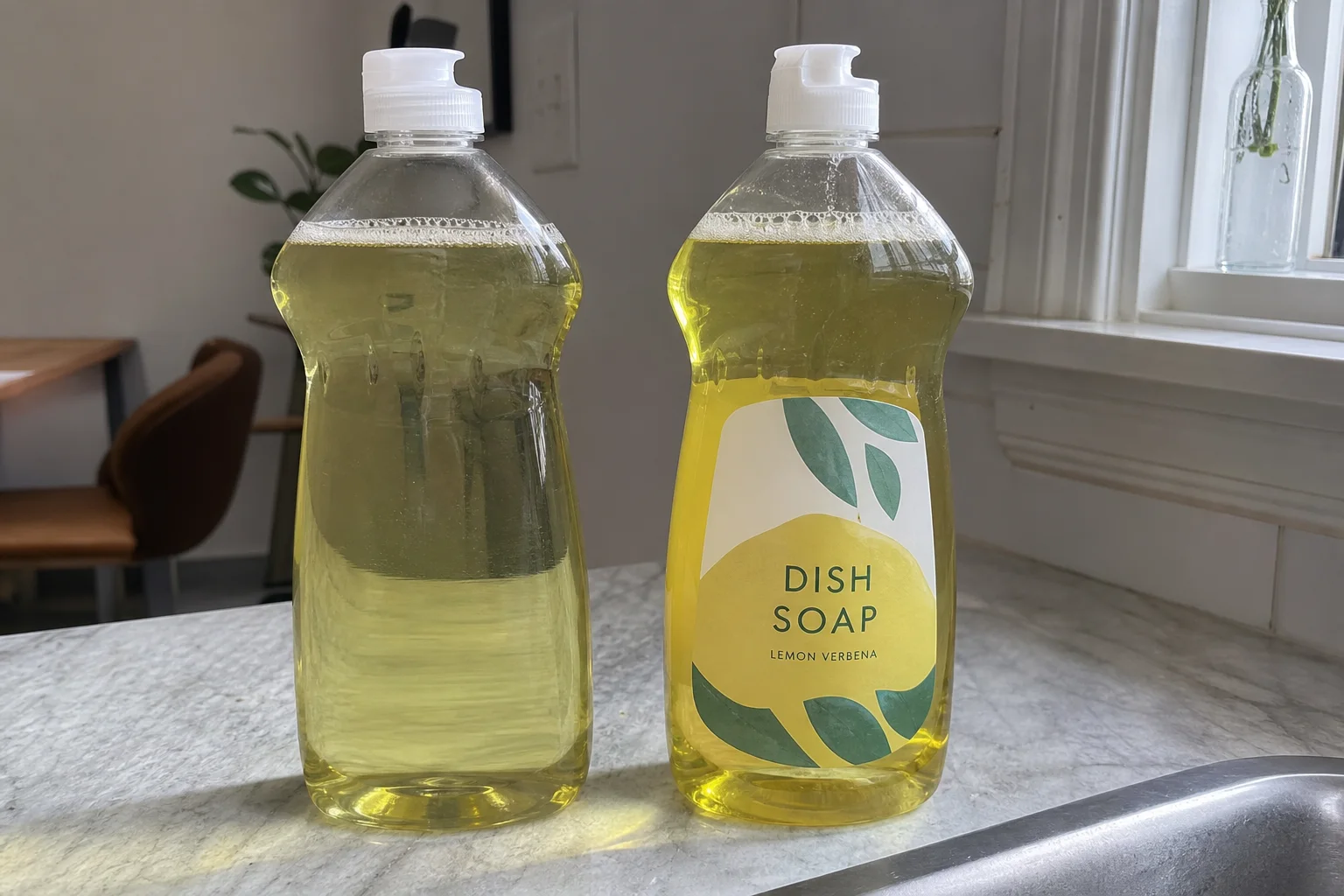
Generic and store-brand products now match name brands on quality in commodity categories like batteries, cables, and basic cookware, where a shared industry standard does most of the work. They still lag in categories where formulation, fit, or safety testing carries more weight, like skincare, tires, and car seats. The right call depends on the category, not a blanket rule.
In this article:
- The categories where generic almost always wins
- Where name-brand still earns its premium
- A 5-minute quality check before you buy
- Reading return windows and warranties as a quality signal
- Where Amazon Basics and Amazon Essentials fit in
- When the price gap isn't big enough to bother switching
The Categories Where Generic Almost Always Wins
Commodity electronics accessories are the clearest case: HDMI and USB-C cables, batteries, phone chargers, and basic mounts all perform to the same underlying spec (the USB-IF, HDMI Forum, or IEC standard) regardless of logo. A generic AA battery and a name-brand one are built to the same voltage and capacity standard; the real difference shows up in shelf life after years in a junk drawer, not day-one performance.
Where Name-Brand Still Earns Its Premium
Formulation-dependent categories are the opposite case. Skincare actives (retinoids, specific SPF filters), supplements, and anything ingested or applied to skin can vary meaningfully between manufacturers in concentration, stabilizers, and third-party testing, even when the front label looks similar. Safety-rated categories like tires, car seats, and helmets are worth the premium too, since crash and stress testing is where budget manufacturers most often cut corners.
A 5-Minute Quality Check Before You Buy
Reading Return Windows and Warranties as a Quality Signal
A manufacturer's willingness to offer a 1-year or longer warranty is itself a quality signal, since it means they're confident enough in failure rates to absorb the cost of replacements. Generic brands that only offer a 30-day return window and no extended warranty are telling you something about their own confidence in the product's lifespan, even if the specs look identical on paper.
How Amazon Basics and Amazon Essentials Fit In
Amazon Basics (electronics, home goods, office supplies) and Amazon Essentials (apparel) are useful reference points precisely because they sit in the commodity end of the market: cables, batteries, storage bins, plain t-shirts, and basic socks, where the underlying manufacturing is largely standardized across brands. They're a reasonable default in those categories specifically, and less of a safe default the moment a category depends on proprietary formulation or fit engineering, like running shoes or fitted outerwear.
When the Price Gap Isn't Big Enough to Bother
If the generic option only saves 10-15%, the math often doesn't favor switching, since the time cost of research and the risk of a worse return experience can outweigh the savings. The categories worth switching in are the ones where the gap is 40% or more, which tends to be exactly the commodity categories where quality is already equivalent.
Key Takeaways
- Commodity categories built to a shared technical standard (cables, batteries, basic cookware) are where generic and name-brand quality are genuinely equivalent.
- Formulation-dependent and safety-rated categories (skincare, supplements, tires, car seats) are where the name-brand premium is more often justified.
- Check for a cited certification, a real spec sheet, and a sustained review history before assuming a generic product matches the name brand.
- A longer warranty from the manufacturer is itself a signal of confidence in the product's durability.
- Only bother switching to generic when the savings are 40%+ — smaller gaps rarely offset the research and return-risk cost.
FAQ
Is Amazon Basics actually made by Amazon?
Amazon Basics products are typically manufactured by third-party contract manufacturers to Amazon's specifications and sold under Amazon's own brand, similar to how most retailer store brands work.
Are store-brand batteries as good as name-brand ones?
For everyday use, yes — most store-brand alkaline batteries meet the same IEC voltage and capacity standards as name brands. The main difference shows up in shelf-life claims after long-term storage, which matters more for emergency kits than daily-use devices.
Should I buy generic supplements?
Be more cautious here. Look specifically for third-party testing certifications like NSF Certified for Sport or USP Verified regardless of brand, since neither store-brand nor name-brand status guarantees dosing accuracy on its own.
How do I check if a cable meets a real certification standard?
Look for explicit mention of USB-IF certification (for USB-C) or HDMI Forum certification in the listing or on the packaging, rather than just marketing language like "premium" or "high-speed."