Electric pressure cookers: what they actually do best (and worst)
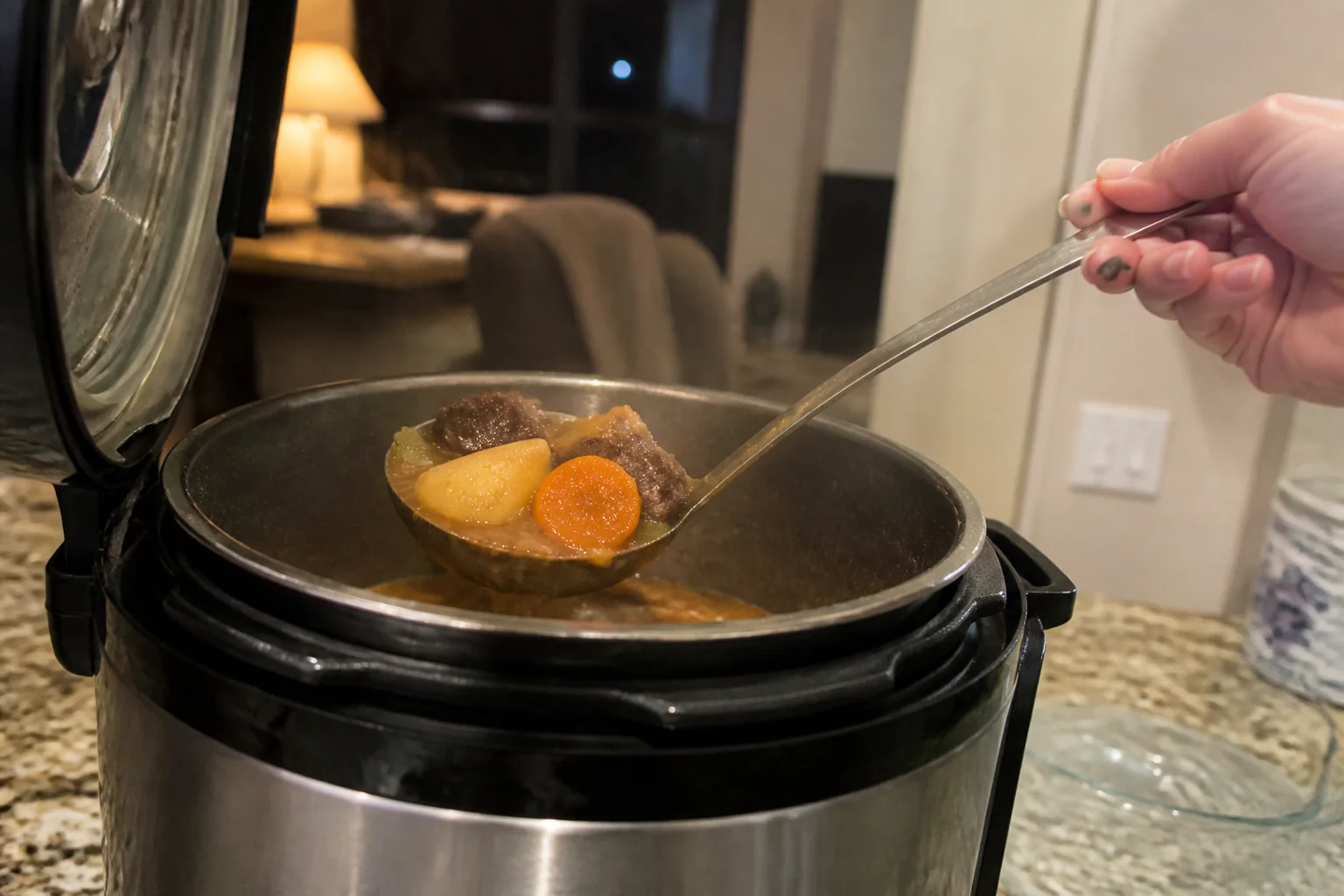
The multi-cooker promises seven appliances in one pot. Owners, honestly surveyed, use three — and those three are terrific. Here's what the machine actually earns its counter space with.
In this article:
- The three jobs it transforms
- What it does badly
- Size math and the two-pot secret
- Natural vs quick release — the part recipes assume you know
- Key takeaways
- FAQ
The three jobs it transforms
Tough cuts, fast: pot roast, pulled pork, short ribs — collagen-heavy meat that needs 3 oven hours reaches fall-apart in 60–90 minutes, unattended. Beans and grains: dried beans without soaking in under an hour; risotto without stirring; perfect rice at the press of a button. Stocks and soups: bone broth that takes a day on the stove, done in two hours and better-extracted. If those three sound like your cooking, the machine is a genuine upgrade, not a gadget.
What it does badly
Pressure cooking is steam cooking — it cannot brown, crisp or reduce. 'Sauté mode' is a hotplate for softening onions, not searing steaks. Pasta goes gluey, delicate fish overcooks in seconds, and anything you want crispy comes out the opposite (that's the air fryer's job). The '7-in-1' framing includes yogurt-making and slow-cooking that most owners try once. Buy it for pressure; treat the rest as bonus.
Size math and the two-pot secret
Recipes assume 6 quarts — the default for households of 2–5. The 8qt suits batch cookers and big families (note: bigger pots take longer to reach pressure); the 3qt suits singles and sides. The accessory that changes everything: a second inner pot Owners rate it above every official accessory.
Natural vs quick release — the part recipes assume you know
When the timer ends, the pot is still at pressure. Quick release (turn the valve, big steam jet): stops cooking instantly — right for vegetables and pasta-adjacent things. Natural release (wait 10–25 minutes as pressure falls): keeps meat tender and prevents soup spray-through-the-valve — right for meats, beans, anything foamy. Half of 'my roast was tough' complaints are quick-releasing meat that needed the wait. The wait is part of the cooking time; plan for it.
Key takeaways
- It earns its space on three jobs: tough cuts, beans/grains, and stocks — all transformed.
- It cannot brown or crisp anything; sauté mode softens, it doesn't sear.
- Meat and beans want natural release; quick-releasing a roast is why it turned out tough.
FAQ
Is an Instant Pot worth it?
If pot roasts, beans, rice and broths appear in your rotation — emphatically. If your cooking is grills, stir-fries and crispy things, it'll gather dust; that's air-fryer territory.
What size pressure cooker should I buy?
6qt for most households — it's what recipes assume. 8qt for batch cooking and 5+ people; 3qt for singles and dorms.
Why did my meat come out tough?
Usually quick-released when it needed 15+ minutes of natural release, or simply undercooked — tough cuts get more tender with more time, the opposite of steak logic.
Can it replace a slow cooker?
Functionally yes (it has the mode), though the pressure function makes the slow mode mostly redundant — the same dishes finish in a quarter of the time under pressure.
Keep reading
Air Fryer Sizes Explained: What Quart Capacity You Really Need →Rice Cookers: Are the Expensive Ones Actually Worth It? →
Not sure which one to buy?
Vic's benches: real Amazon & Walmart listings, live prices, honest verdicts.
Ask Vic →