Gas vs charcoal vs pellet: which grill fits how you actually cook
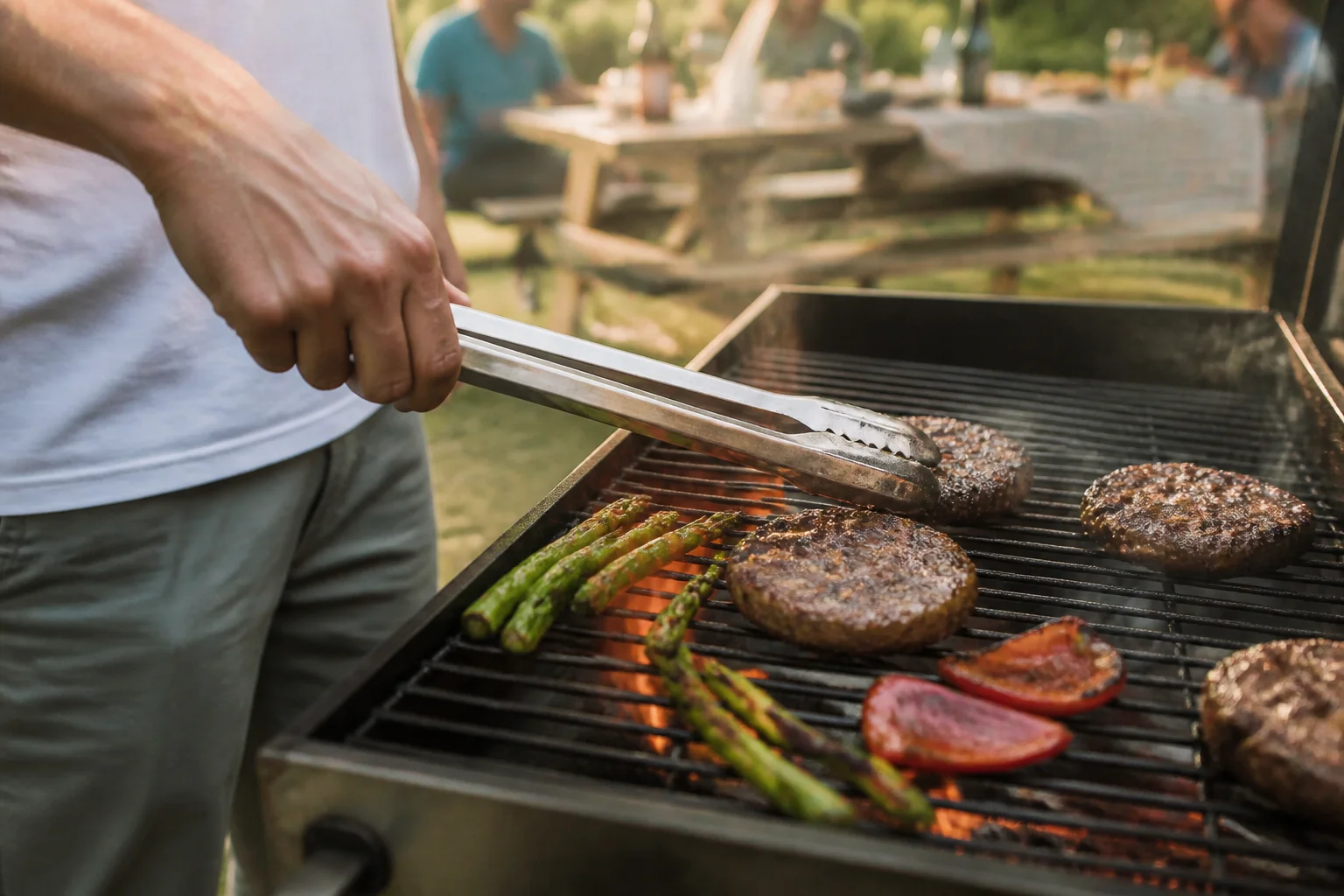
Gas is the weeknight tool. Charcoal is the weekend ritual. Pellet is the smoker with a thermostat. The right one depends on a Tuesday question, not a Saturday one.
In this article:
- The Tuesday question
- The flavor truth
- Costs beyond the sticker
- Which to buy first
- Key takeaways
- FAQ
The Tuesday question
Grills are sold on Saturday fantasies and used on Tuesday realities. Gas goes from cold to cooking in 10 minutes and cleans up with a brush — which is why gas owners grill 2–3× more often. Charcoal asks 20–30 minutes of setup and ash cleanup as the price of its ritual (and its sear). If the honest answer to 'will I light coals on a Wednesday?' is no, the gas grill will feed you more meals per year — and the best grill is the one that gets used.
The flavor truth
Burgers and steaks over screaming-hot charcoal do taste different — dripping fat flash-vaporizing on coals is real chemistry that gas can't fully fake. But for chicken, vegetables and fish, blind tests find the gap smaller than folklore claims; technique (dry surfaces, real preheat, leaving the food alone) moves flavor more than fuel does. Pellet grills sit in between: genuine wood smoke at low temperatures — brisket, ribs, pulled pork — but most struggle to reach true searing heat, which is why pellet owners keep a cast-iron pan or a gas sear burner nearby.
Costs beyond the sticker
Buy the burner warranty, not the side shelf.
Which to buy first
- One grill, most people: a quality 3-burner gas — weeknight-usable, big-enough, decade-durable.
- Flavor maximalist, patient: charcoal kettle — the sear ceiling and the ritual, at a friendly price.
- BBQ-curious (brisket dreams): pellet — smoking with a thermostat, easiest good results in the category.
- The honest endgame: gas for Tuesday plus a kettle for Saturday costs less than one premium anything.
Key takeaways
- Buy for Tuesday: gas gets used 2–3× more often than charcoal.
- Charcoal's sear advantage is real for red meat; technique matters more for everything else.
- Pellet = smoking with a thermostat; check sear expectations at the door.
- Stainless burners and warranty length predict grill lifespan — not the sticker features.
FAQ
Does charcoal really taste better than gas?
For hot-and-fast red meat, yes — fat vaporizing on coals is real flavor chemistry. For most other foods the difference shrinks below technique. Pellets add true smoke at low temps, which neither of the others does as easily.
Are pellet grills worth it?
If low-and-slow BBQ is the goal, they're the easiest path to genuinely good brisket and ribs at home. As the only grill, check the model's searing ability — many top out below steak-searing heat.
How long should a gas grill last?
Thin-box bargains: 3–4 seasons. Stainless-burner quality with a 10-year burner warranty: a decade-plus with basic cleaning. The burner warranty is the single most predictive spec.
What size grill do I need?
3 burners / ~450–500 sq in cooks for a family with room to zone (direct + indirect). Bigger buys hosting capacity, not better food — and cheap-big beats small-good in no universe.
Keep reading
Pizza Ovens: Gas vs Wood vs Electric for Real Home Cooking →Coolers: Do Expensive Rotomolded Ones Actually Keep Ice Longer? →
Not sure which one to buy?
Vic's benches: real Amazon & Walmart listings, live prices, honest verdicts.
Ask Vic →