
Free Trial Traps: How to Cancel Before You're Charged
Originally published on the SavvyDime blog, August 9, 2026. Reproduced here in full.
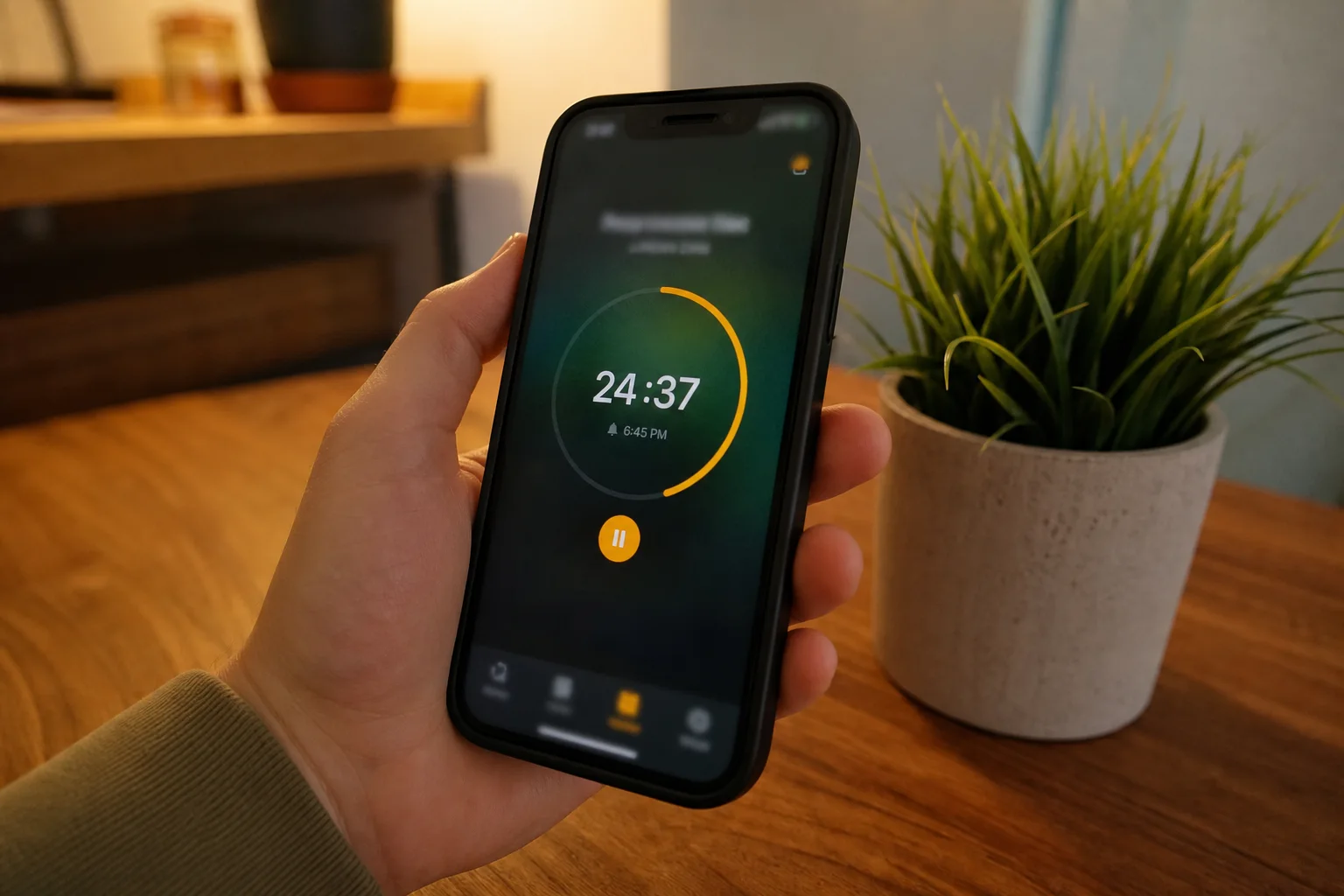
Free trials default to auto-converting into a paid subscription unless you actively cancel, and most require canceling 24-48 hours before the trial's actual end date, not on the last day itself. Missing that earlier cutoff, not the trial length, is the most common reason people get charged unexpectedly.
In this article:
- How free trials are designed to convert you
- The cancellation window that actually matters
- What "click to cancel" rules do and don't cover
- Using a virtual card to cap the damage
- Reading the fine print for auto-renewal terms
- What to do if you're charged after canceling
How Free Trials Are Designed to Convert You
Requiring a card number upfront, defaulting to the annual plan instead of monthly, and sending the cancellation reminder only after the trial has already converted are all standard design choices, not accidents. The goal of the flow is to make canceling require more deliberate effort than doing nothing.
The Cancellation Window That Actually Matters
Many services process the auto-renewal charge up to 24-48 hours before the trial's listed end date, so canceling "on the last day" is often already too late. Set a reminder for two to three days before the stated end date, not the end date itself, and check the specific service's terms since this window varies.
What "Click to Cancel" Rules Do and Don't Cover
Consumer protection rules in the US and several other jurisdictions increasingly require that canceling a subscription be as easy as signing up for one — no mandatory phone call or retention-agent gauntlet just to cancel an online-only signup. These rules are still inconsistently enforced across smaller or overseas merchants, so a service that requires a phone call to cancel isn't necessarily following current requirements, and it's worth disputing the charge with your card issuer if a cancellation is deliberately obstructed.
Using a Virtual Card to Cap the Damage
Virtual card numbers from services like Privacy.com or many banking apps let you set a spending limit or a single-use restriction on the card number used for a free trial signup. If you forget to cancel, the auto-renewal charge either gets capped at the limit you set or is declined outright, rather than silently going through on your main card.
Reading the Fine Print for Auto-Renewal Terms
Before signing up, check specifically for the renewal price (which is sometimes higher than the promotional trial price), the billing cycle (monthly vs. annual), and whether the plan auto-upgrades to a higher tier after an introductory period. These three details are usually disclosed but rarely prominent.
What to Do If You're Charged After Canceling
Screenshot your cancellation confirmation immediately when you cancel, including the date and time, since this is your primary evidence if a charge posts anyway. Contact the merchant first with that confirmation; if they don't resolve it within a few days, dispute the charge directly with your card issuer, citing the cancellation confirmation and date.
Key Takeaways
- Free trials are designed to auto-convert by default — cancellation requires deliberate action, not passivity.
- Cancel 2-3 days before the stated trial end date, since many services process the charge before the listed deadline.
- "Click to cancel" protections exist in many regions but are inconsistently enforced, especially by smaller or overseas merchants.
- A virtual card with a spending limit caps your exposure if you forget to cancel in time.
- Always screenshot your cancellation confirmation with the date and time as evidence.
FAQ
How early should I cancel a free trial?
Two to three days before the stated end date is a safer default than the last day itself, since many services process the auto-renewal charge before the listed deadline.
What is the "click to cancel" rule?
It's a consumer protection principle requiring that canceling a subscription be no harder than signing up for one, without mandatory phone calls or retention gauntlets, though enforcement varies by merchant and jurisdiction.
Can a virtual card really stop a subscription charge?
Yes — virtual cards with a set spending limit or single-use restriction will decline or cap charges above the limit you set, which is useful specifically for capping free trial risk.
What should I do if I'm charged after I already canceled?
Contact the merchant first with your cancellation confirmation (screenshot the date and time when you cancel), and if unresolved within a few days, dispute the charge directly with your card issuer.