Exercise bikes: spin vs upright vs recumbent, and the specs that matter
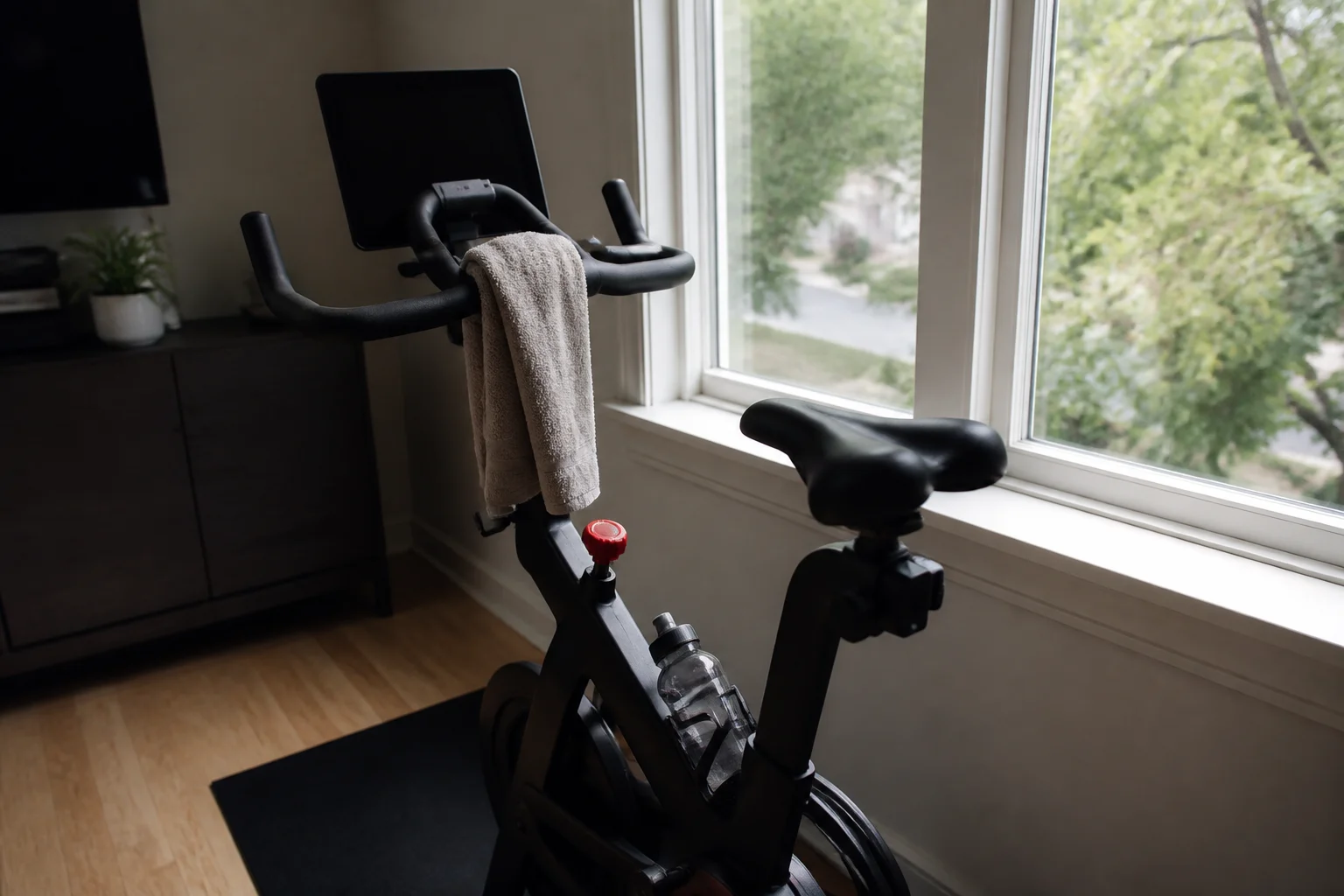
'Exercise bike' covers three different machines for three different bodies and goals. Picking the right style matters more than any spec — and then two specs matter a lot.
In this article:
- The three machines wearing one name
- The two specs that predict quality
- Screens and subscriptions, honestly
- Comfort: the seat and the fit
- Key takeaways
- FAQ
The three machines wearing one name
- Spin/indoor-cycling: road-bike posture, weighted flywheel, stand-and-sprint capable — the intense-workout machine, and what studio-class apps assume.
- Upright: casual seated posture, smaller footprint — the moderate-cardio, watch-TV-while-pedaling machine.
- Recumbent: bucket seat, back support, legs forward — the joint-friendliest cardio in existence; the pick for bad backs, bigger bodies, rehab and reluctant exercisers.
Match the machine to the realistic goal: sweat-drenched intervals → spin; daily gentle miles → upright; comfort-first consistency → recumbent. The wrong style is why bikes become coat racks.
The two specs that predict quality
Resistance type: magnetic beats friction pads everywhere it matters — silent, smooth, maintenance-free (pads wear and squeak). Silence is a habit feature: a bike you can ride during a movie gets ridden. Flywheel/ride feel: heavier flywheels (or well-engineered light ones) smooth the pedal stroke — jerky cheap bikes fatigue knees and patience. On spin bikes, look 30+ lbs or a reviewed-smooth magnetic design; belt drive over chain for silence.
Screens and subscriptions, honestly
The big-screen subscription bikes genuinely drive consistency for class-motivated people — and cost like it, forever. The frugal path that's eaten the category: a solid non-screen bike plus a tablet mount running any app (or nothing) delivers 90% of the experience at 40% of the price, with no monthly hostage fee. Check the bike broadcasts cadence/power over Bluetooth if apps matter to you. Buy the screen only if classes are what will actually get you on the seat.
Comfort: the seat and the fit
Fit basics: saddle height at hip-bone while standing beside it, slight knee bend at the bottom of the stroke; handlebars higher = kinder to backs. Check weight capacity and stand-over height honestly, and recumbent shoppers: the seat-slide range decides tall-rider comfort.
Key takeaways
- Pick the style for your body first: spin = intensity, upright = casual, recumbent = joints.
- Magnetic resistance + belt drive + decent flywheel = the silent, smooth, durable formula.
- A good dumb bike + tablet beats screen-bike subscriptions for most people.
- The seat phase passes in two weeks; saddle height at hip-bone is the fit rule.
FAQ
Which exercise bike is best for beginners?
Comfort produces consistency: an upright or recumbent with magnetic resistance for most; spin only if intense classes are the honest draw.
Are the subscription screen bikes worth it?
If live classes are what gets you pedaling, they earn the money. Otherwise a quality standard bike plus a tablet mount replicates the experience minus the fees.
Why does the seat hurt so much?
Two-week adaptation is universal. Gradual ride lengths, padded shorts, and correct saddle height fix most of it; a seat swap fixes the rest.
Recumbent vs upright for knees and backs?
Recumbent — the reclined position unloads the spine and lets knees work in a friendlier arc. It's the machine physical therapists point at.
Keep reading
Treadmill vs Exercise Bike: Which One Will You Actually Use? →Massage Guns: What the Amplitude Spec Actually Tells You →
Not sure which one to buy?
Vic's benches: real Amazon & Walmart listings, live prices, honest verdicts.
Ask Vic →